

Sustainable Homes Integrating Non-intrusive Environmental Sensors
✨ Improving housing and health outcomes with smart sensors ✨
Drawing on contemporary and innovative research on housing policy, sensor technology, IoT, and data science, the SHINE project offers groundbreaking insights to inform policymakers and practitioners’ decisions related to the well-being of vulnerable groups living in social housing in Ireland.

Our Project
Our research proposes an approach to enhance sustainable social housing and climate resilience in Ireland through the deployment of non-intrusive environmental sensors. By improving the understanding of critical parameters that impact residents’ well-being and the sustainability of housing units, our research results will contribute to the development of a more robust and resourceful social housing sector. The project outcomes will inform policy interventions and facilitate the integration of smart and sustainable technologies, empowering government bodies , local authorities and social housing tenants to address the complex challenges posed by health, well-being, economy, and the environment.
We believe that the adoption of our solution in the built environment is well-aligned with sustainability principles by promoting energy efficiency, occupant health, and the longevity of homes. It not only contributes to creating more sustainable and environmentally conscious built environments that meet the needs of current and future generations, but it also improves community resilience.
Considering the proposed solution as a springboard to innovative housing policies and the sustainability of the built environment, this project will improve the efficiency of social housing provisions as a way to reduce the health burden due to unsafe or substandard housing in the medium and longer term, and thereby increasing the resilience of the sector.
Our Proposed Solution
In the context of the SHINE project, sustainability of social housing refers to the integration of sensor technology to enhance housing quality, tenant empowerment, and well-being, thus promoting long-term health and empowerment of residents through innovative and ethical data-driven solutions.
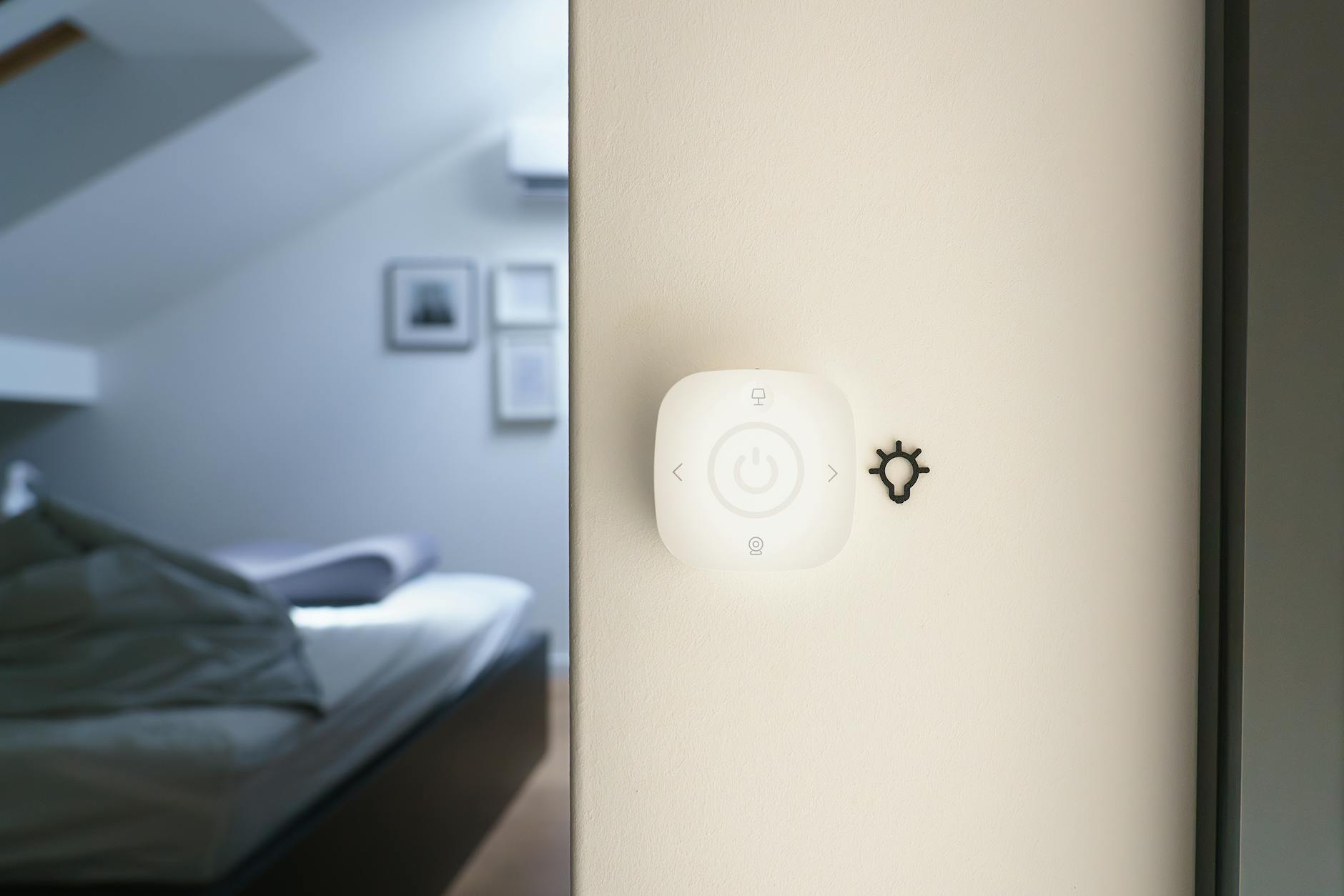
Our proposed solution involves deploying a non-intrusive sensor suite in social housing to continuously monitor environmental factors such as temperature, humidity, particle counts, VOCs (Volatile Organic Compounds), CO₂, light level, and sound level, among others. This implementation offers substantial benefits by efficiently tracking critical elements and empowering both social housing tenants and local authorities to address and enhance indoor environmental conditions proactively. This could help in the early detection of potential health risks, such as mould growth or increased allergens, foster healthier living environments and reduce energy waste by optimising heating, cooling, and ventilation.
Moreover, the collected data can be used to support updating policies promoting health and environmental sustainability solutions via non-intrusive sensors. The data, thus, provides valuable insights for local authorities in identifying maintenance needs and reducing the necessity for frequent manual inspections. The data can also help in the well-informed allocation of houses based on the special needs of specific tenants, thereby reducing the number of reallocation requests due to the discomfort of the tenants. In essence, integrating these sensors not only enhances the well-being of social housing residents but also promotes energy efficiency and streamlines maintenance processes for more effective and informed decision-making.

Value for Stakeholders
We expect several individual stakeholder groups will benefit in different ways from our proposed solution:

Social Housing Residents

Government, Local Authorities & Approved Housing Bodies

Building developers

Health Tech Companies & Nursing groups

Other stakeholders (Surveyors, Private, Consulting, Insurance companies)

Share your views
If you want to get involved in the SHINE project, please contact us below.
 SHINE
SHINE 